In today’s competitive business world, marketing plays a crucial role in attracting customers and growing a brand. Businesses use different marketing strategies to promote their products and services. Two major approaches are digital marketing and traditional marketing. Although both aim to reach potential customers, they differ in their methods, costs, and effectiveness.
What Is the Digital Marketing ?
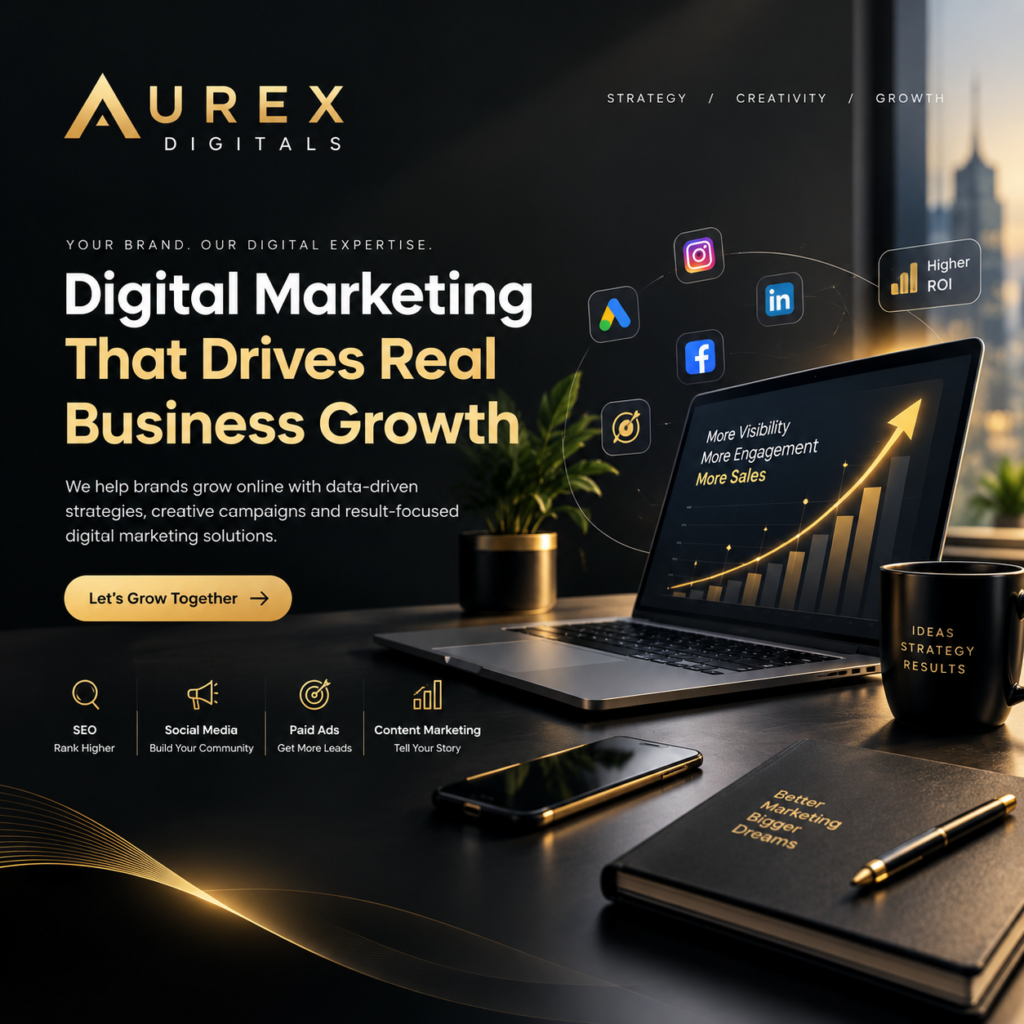
It involves promoting products and services through online platforms such as social media, search engines, websites, emails, and online advertisements. Platforms like Instagram, Facebook, Google, and YouTube help businesses connect with their target audiences.
One of the biggest advantages is its cost-effectiveness. Businesses can reach specific audiences based on their interests, location, and behaviour. It also provides measurable results, allowing companies to track website traffic, clicks, engagement, and conversions. Additionally, it enables businesses to interact directly with customers and build long-term relationships.
What Is the Traditional Marketing?
Traditional marketing uses offline methods to promote products and services. Common examples include newspaper advertisements, television commercials, radio promotions, billboards, brochures, and magazine advertisements.
Traditional marketing is particularly useful for reaching local communities and audiences who may not actively use digital platforms. Television and outdoor advertisements can also create strong brand awareness. However, traditional marketing campaigns can be expensive, and measuring their exact results is often more challenging than tracking digital campaigns.
Key Differences Between Markets
The main difference lies in how businesses communicate with their audiences. Digital marketing offers precise targeting, real-time performance tracking, and opportunities for immediate customer interaction. Traditional marketing focuses more on offline visibility and broad audience reach.
While digital marketing is generally more flexible and measurable, traditional marketing can still be effective for businesses targeting specific locations or wider audiences.
Which Marketing Strategy Is Better?
The best choice depends on a business’s goals, budget, and target audience. Small businesses and startups often benefit from digital marketing because it offers affordable promotional opportunities and measurable results.
However, combining both strategies can deliver even better outcomes. Digital marketing builds online visibility, while traditional marketing strengthens offline brand recognition.
Conclusion – Both have unique advantages. Businesses tha t understand their audience and use the right combination of strategies can improve brand awareness, attract more customers, and achieve sustainable growth.